
Washed vs Natural Processing in Kenya
Comprehensive Guide to Washed vs Natural Processing in Kenyan Coffee: Understanding Methods, Quality, and Flavor Profiles
Kenya is renowned for its exceptional coffee, with processing methods playing a crucial role in determining the flavor and quality of the final product. This guide delves into the two primary processing methods used in Kenya: washed and natural processing. Readers will learn about the intricacies of each method, their impact on flavor profiles, and how they influence the quality of Kenya AA coffee. Understanding these processes is essential for coffee enthusiasts and consumers who seek to appreciate the unique characteristics of Kenyan coffee. This article will explore the key processing methods, the mechanics of washed and natural processing, their effects on flavor, and the sustainability practices associated with each method. Additionally, we will highlight why choosing premium Kenyan coffee products, such as those from Kirenge Gold LLC, can enhance your coffee experience.
What Are the Key Kenyan Coffee Processing Methods?
Kenya employs two primary coffee processing methods: washed and natural. Each method significantly influences the flavor profile and quality of the coffee produced. Washed processing involves removing the coffee cherry's outer fruit layer before fermentation, resulting in a cleaner and brighter flavor. In contrast, natural processing allows the coffee cherries to dry in the sun with the fruit intact, imparting a fruitier and more complex flavor profile. Understanding these methods is essential for appreciating the nuances of Kenyan coffee.
Further research highlights the significant prevalence of wet processing in Kenya's coffee industry.
Kenyan Coffee Processing: Wet vs. Dry Methods
The Kenyan coffee industry is notable for its organization. Over 90% of Kenya's coffee is processed by the wet method while the rest 10% is processed by dry method to produce Mbuni (Coffee).
Effect of primary processing practices carried out by the coffee cooperative societies on the sustainability of the coffee industry in Kenya, LKM Mwenda, 2017
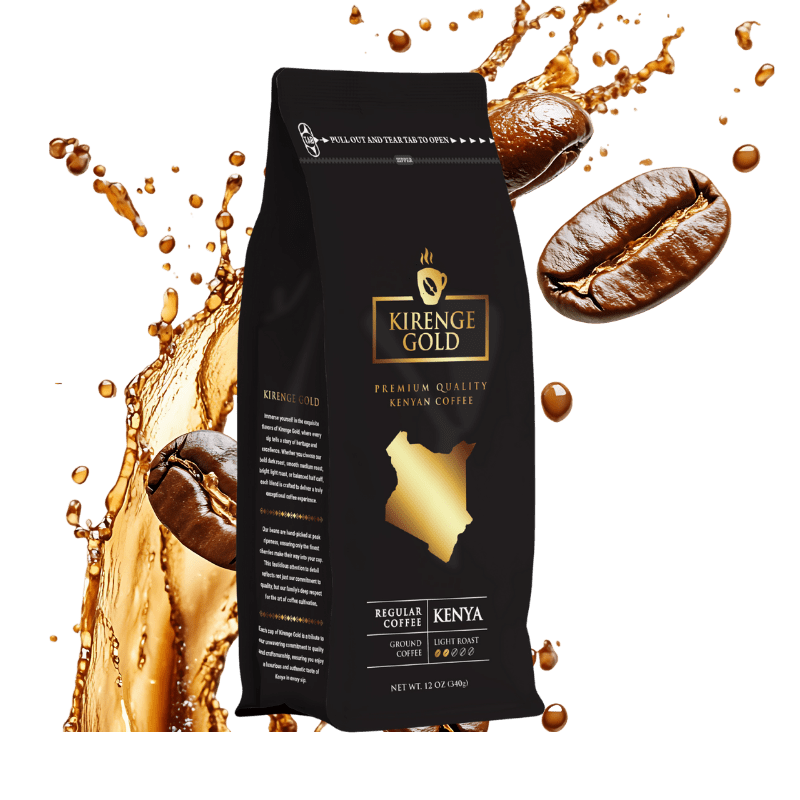
Kirenge Gold LLC is a premium Kenyan coffee brand focused on delivering authentic Kenyan coffee products with an emphasis on heritage and sustainable practices. Their commitment to quality ensures that consumers experience the best of what Kenyan coffee has to offer.
How Does the Washed Processing Method Work in Kenya?
Washed processing, also known as wet processing, is a method that emphasizes clarity and brightness in coffee flavor. The process begins with the harvesting of ripe coffee cherries, which are then pulped to remove the outer skin and mucilage. The beans are fermented in water to further remove any remaining mucilage before being washed and dried. This method requires careful monitoring of fermentation times and drying conditions to ensure optimal flavor development.
The labor-intensive nature of washed processing often results in higher quality coffee, as it allows for greater control over the fermentation process. The resulting coffee typically exhibits a clean and vibrant flavor profile, making it a favorite among coffee connoisseurs.
What Defines Natural Coffee Processing in Kenya?
Natural processing, or dry processing, is characterized by the drying of whole coffee cherries in the sun. This method allows the fruit to impart its flavors directly to the beans, resulting in a more complex and fruity profile. The cherries are spread out on drying beds and turned regularly to ensure even drying and prevent fermentation.
This method is less labor-intensive than washed processing, but it requires careful attention to avoid over-fermentation, which can lead to undesirable flavors. The unique characteristics of natural processed coffee often appeal to those who enjoy a more robust and fruity cup.
How Do Washed and Natural Processing Affect Kenyan Coffee Flavor Profiles?
The choice between washed and natural processing has a profound impact on the flavor profiles of Kenyan coffee. Washed processing typically results in a coffee that is bright, clean, and acidic, with floral and citrus notes. In contrast, natural processing tends to produce a coffee that is fuller-bodied, with pronounced fruitiness and sweetness.
What Flavor Characteristics Result from Washed Processing?
Washed processed coffee is known for its clarity and brightness. The absence of the fruit during fermentation allows the inherent flavors of the coffee bean to shine through. Common tasting notes include:
- Citrus: Bright lemon and orange flavors are often prominent.
- Floral: Delicate floral notes add complexity.
- Clean Finish: The coffee typically has a crisp and clean aftertaste.
These characteristics make washed coffee a popular choice for those who prefer a more refined and nuanced flavor profile.
How Does Natural Processing Influence Coffee Taste?
Natural processing influences coffee taste by allowing the beans to absorb flavors from the fruit during the drying process. This method often results in:
- Fruitiness: Notes of berries, stone fruits, and tropical flavors are common.
- Sweetness: The natural sugars in the fruit contribute to a sweeter cup.
- Complexity: The interplay of flavors can create a rich and layered tasting experience.
Consumers who enjoy a more adventurous and bold flavor profile may gravitate towards naturally processed coffees.
What Is the Impact of Processing Methods on Kenya AA Coffee Quality?
Kenya AA coffee is known for its high quality, and the processing method plays a significant role in determining its grade. The AA designation indicates larger bean size and superior quality, which can be enhanced through careful processing.
Studies further elaborate on how these processing technologies directly influence the physico-chemical properties, aroma profiles, and overall sensory quality of Kenyan coffee.
Impact of Coffee Processing on Kenyan Coffee Quality & Aroma
This research aimed at establishing the effects of traditional and the new coffee processing technologies on the physico-chemical properties, aroma profiles and sensory quality of coffee in Kenya.
Effects of different processing technologies on quality characteristics of Kenya coffee, 2015
How Does Washed Processing Enhance Kenya AA Coffee Grade?
Washed processing enhances the quality of Kenya AA coffee by promoting a clean and vibrant flavor profile. The meticulous fermentation and drying processes help to highlight the coffee's inherent qualities, resulting in a product that meets the high standards associated with the AA grade. This method also allows for better quality control, as defects can be more easily identified and removed during processing.
What Role Does Natural Processing Play in Kenya AA Quality?
While natural processing can produce exceptional flavors, it poses more risks in terms of quality control. The potential for over-fermentation can lead to off-flavors, which may affect the overall quality of the coffee. However, when executed well, natural processing can yield unique and high-quality Kenya AA coffee that showcases the region's diverse flavor profiles.
How Do Sustainability Practices Integrate with Kenyan Coffee Processing?
Sustainability practices are increasingly important in the coffee industry, and Kenyan coffee processing is no exception. Both washed and natural processing methods can incorporate sustainable practices that benefit the environment and local communities.
A key study specifically investigates the role of primary processing practices carried out by coffee cooperative societies in ensuring the long-term sustainability of Kenya's coffee industry.
Primary Coffee Processing & Sustainability in Kenya
This study specifically assessing the effect of primary processing practices carried out by the coffee cooperative societies on the sustainability of the coffee industry in Kenya.
Effect of primary processing practices carried out by the coffee cooperative societies on the sustainability of the coffee industry in Kenya, LKM Mwenda, 2017
What Sustainable Farming Practices Support Washed Processing?
Sustainable farming practices that support washed processing include:
- Hand-Picking: Ensures only ripe cherries are harvested, reducing waste.
- Water Management: Efficient use of water during the washing process minimizes environmental impact.
- Community Engagement: Supporting local farmers through fair trade practices enhances community welfare.
These practices not only improve the quality of the coffee but also promote environmental stewardship.
How Is Sustainability Maintained in Natural Coffee Processing?
Sustainability in natural coffee processing can be achieved through:
- Organic Farming: Reducing chemical inputs helps maintain soil health.
- Biodiversity: Encouraging diverse plant life around coffee farms supports ecosystems.
- Fair Trade: Ensuring fair compensation for farmers promotes social equity.
By adopting these practices, natural processing can contribute positively to both the environment and the communities involved in coffee production.
Why Choose Kirenge Gold’s Premium Kenyan Coffee Products and Subscriptions?
Choosing Kirenge Gold’s premium Kenyan coffee products offers several benefits for coffee lovers. Their commitment to quality ensures that each cup delivers the authentic flavors of Kenyan coffee, sourced from family-owned farms that prioritize sustainable practices.
How Does Kirenge Gold Ensure Authenticity and Quality?
Kirenge Gold ensures authenticity and quality by sourcing coffee from trusted family-owned farms in Kenya. Their rigorous quality control measures include:
- Fresh Roasting: Coffee is roasted in small batches to preserve flavor.
- Direct Trade Relationships: Building strong connections with farmers ensures fair practices.
- Customer Feedback: Engaging with customers helps maintain high standards.
These practices guarantee that consumers receive only the best quality coffee.
What Sustainable Sourcing Practices Does Kirenge Gold Follow?
Kirenge Gold follows sustainable sourcing practices that emphasize environmental responsibility and community empowerment. Their approach includes:
- Organic Cultivation: Promoting chemical-free farming methods.
- Community Support: Investing in local initiatives that benefit farmers and their families.
- Transparency: Providing consumers with information about sourcing and production.
By choosing Kirenge Gold, consumers support a brand that values sustainability and quality.
What Are Common Questions About Kenyan Coffee Processing Methods?
Understanding Kenyan coffee processing methods can raise several questions among consumers. Here are some common inquiries:
- What is the difference between washed and natural processing? - Washed processing removes the fruit before fermentation, resulting in a cleaner flavor, while natural processing dries the fruit with the beans, leading to a fruitier profile.
- Which processing method is better for Kenyan coffee? - The choice depends on personal preference; washed coffee is often brighter and cleaner, while natural coffee is typically fruitier and more complex.
- How do processing methods affect flavor? - Each method influences the final flavor profile, with washed processing emphasizing clarity and natural processing enhancing fruitiness.
What Is the Difference Between Washed and Natural Processing?
The primary difference between washed and natural processing lies in the treatment of the coffee cherries. Washed processing involves removing the fruit before fermentation, leading to a clean and bright flavor profile. In contrast, natural processing retains the fruit during drying, resulting in a fuller-bodied and fruitier coffee. Each method offers unique characteristics that cater to different consumer preferences.
Which Processing Method Is Better for Kenyan Coffee?
Determining the better processing method for Kenyan coffee ultimately depends on individual taste preferences. Washed processing is favored for its clarity and brightness, making it ideal for those who appreciate a more refined cup. On the other hand, natural processing appeals to those who enjoy bold, fruity flavors. Both methods have their merits, and exploring both can enhance the overall coffee experience.
Share